The Roots of Central & South Texas Farmhouse Design
The farmhouse style typically used in Central and South Texas is an exceptional architectural motif originating from European immigrants with namely Czech and German heritage. Original farmhouse designs from the mid to early 1900s were built by farmers and ranchers that perceived them more as a necessity and valued practicality and function over ornate style considerations to help manage expansive crop fields that were notably corn, cotton, and milo. The homes were purpose built by the owners and used function over form to achieve their goals in the most efficient way. This style can beautifully evoke childhood memories and foster a cozy, family-centered atmosphere that is deeply rooted in Texas history.
Form & Function: The Texas Farmhouse
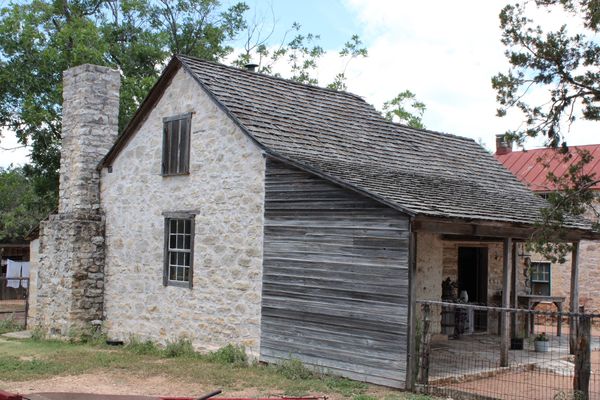
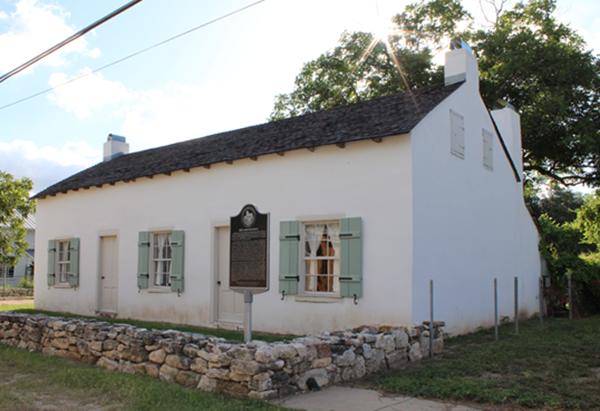
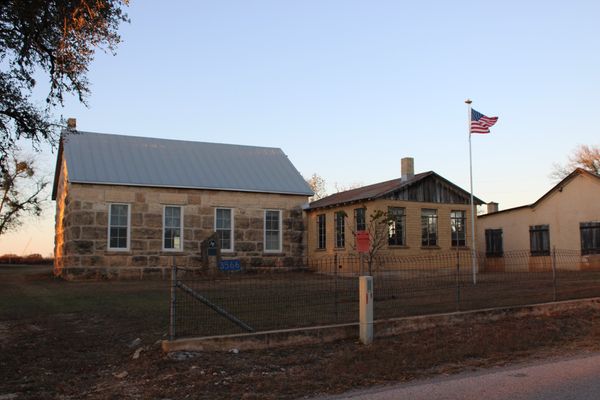
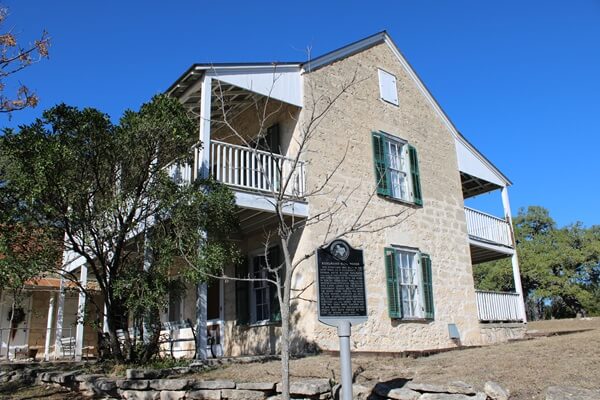
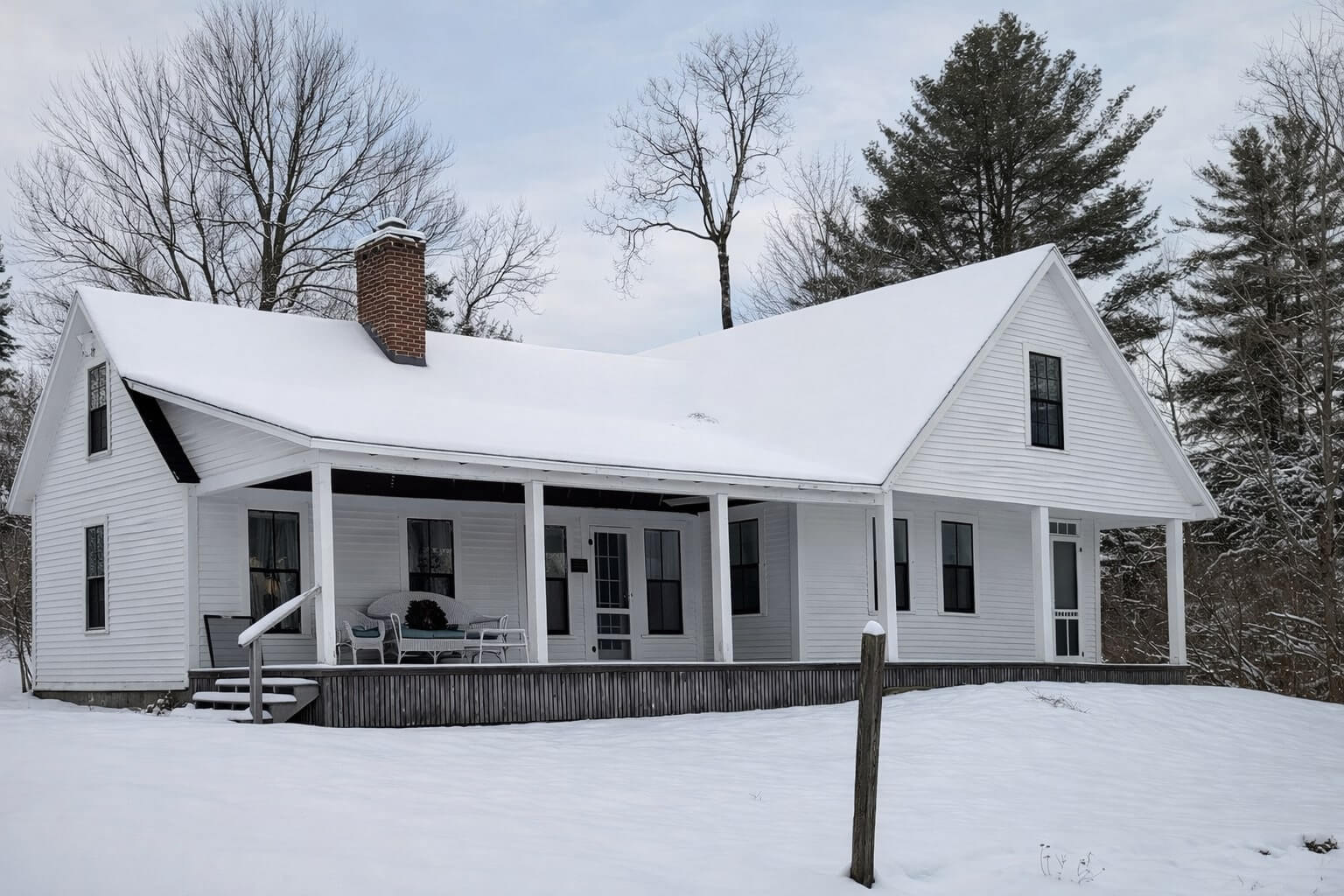
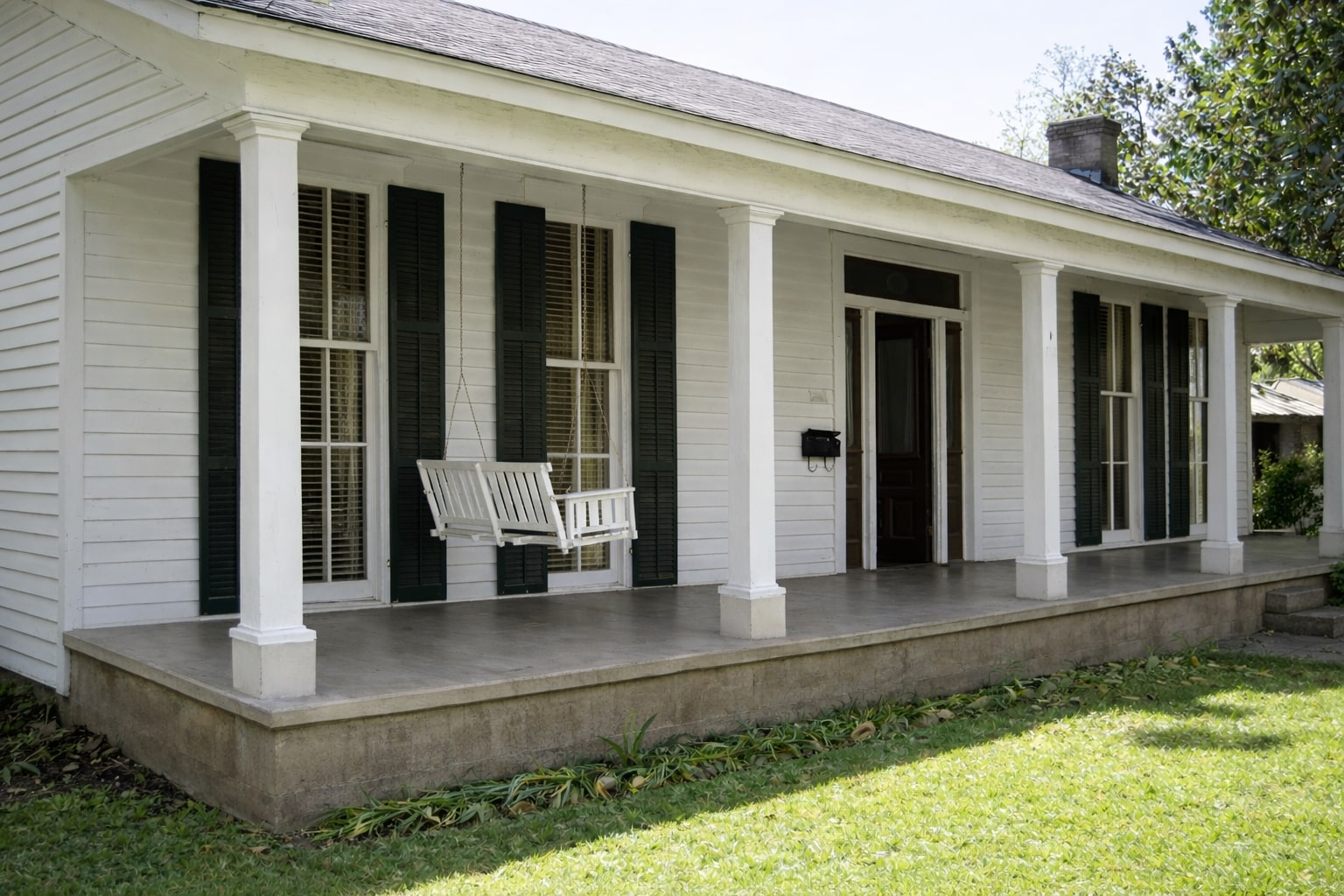
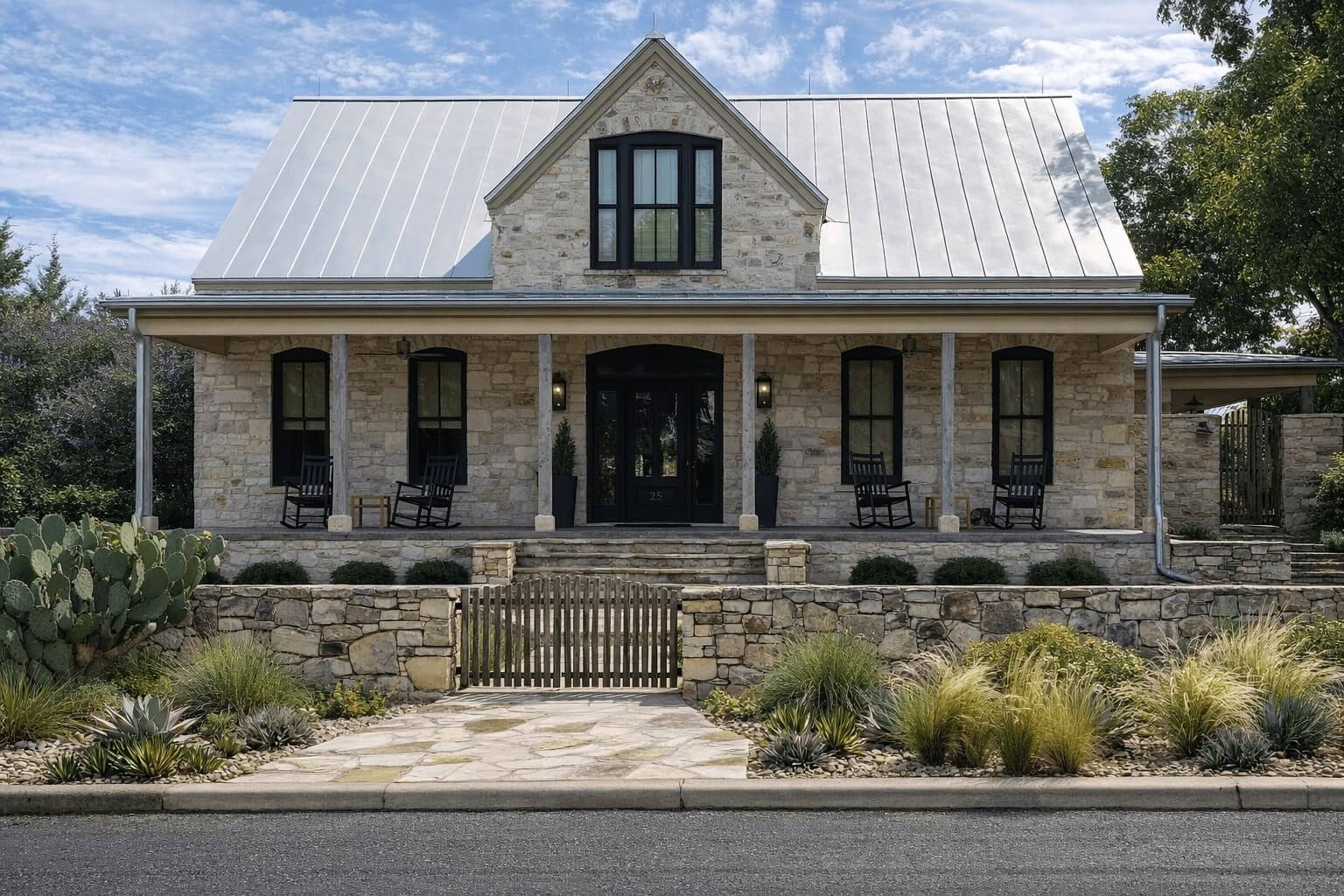
The traditional layout of these homes was typically single-story or one-and-a-half stories, arranged in simple shapes such as rectangles, L-shapes, or T-shapes. A central axis often served the common living areas, with bedrooms extending from the main spine. Roofs were usually gabled or cross-gabled and clad in standing seam metal, with either board and batten or horizontal wood siding. Hallmark features of a traditional Texas farmhouse include straightforward forms, gabled metal roofs, wooden or stone cladding, and double-hung windows. Generous, full-width porches—often at the front, back, or wrapping around—provided shade and a breezy retreat after a long day’s work. These porches were commonly supported by square wooden posts, without detailing in keeping with the functional simplicity of the design. Building materials were selected based on regional availability: pine or cedar in the Eastern, Southern, and coastal prairie regions; and limestone or fieldstone in the Texas Hill Country. Exteriors were typically painted in crisp or creamy whites, while window sashes and trim might feature contrasting darker tones—such as Jasper green—for visual depth. Other accent colors for trim often included muted greens, blues, reds, and grays. Interior palettes favored soft whites, blue-grays, subtle blues, and earth tones, reinforcing the calm, rustic aesthetic.
Distinctive architectural features of traditional Texas farmhouses include wide front porches, double-hung windows—either multi-pane or single-pane for ventilation—and simple cornice trim with minimal window casings.
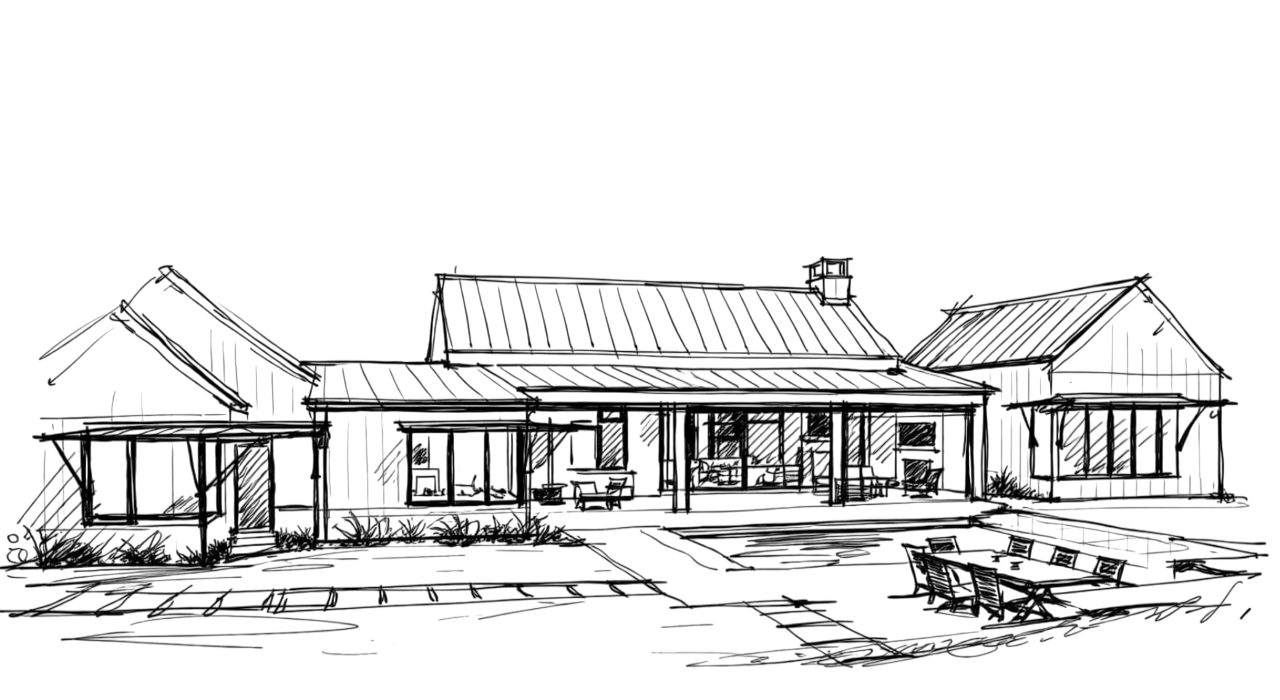
Modern interpretations of the Texas farmhouse build on the practicality of the original form while refining it for contemporary living. Simple gabled roofs, expansive porches, and vernacular materials remain central, but are expressed with cleaner lines, larger openings, modern windows, and more intentional massing. Traditional forms are layered and extended to create stronger indoor–outdoor relationships with a strong connection to the landscape. The result is architecture that feels rooted in tradition using modern materials and massing but restraint on ornamentation to create comfortable living spaces.
Materials, Detail, and Craft
Shiplap, composed of horizontal wooden boards with evenly spaced recessed joints, was originally used as exterior sheathing to add structural integrity. In modern interpretations, shiplap is often left exposed as a decorative feature, bringing texture and character to both exteriors and interiors. It’s commonly used on porch ceilings and accent walls in kitchens, living rooms, bathrooms, mudrooms, and hallways. Shiplap also adds visual warmth behind fireplaces, range hoods, and built-ins, providing a clean contrast to trim, cabinetry, and furnishings. Simiarly beadboard—traditionally crafted from narrow wood planks joined with tongue-and-groove at a small ridge known as a “bead”—is another classic farmhouse detail. It’s ideal for porch ceilings, wainscoting (particularly in dining rooms, hallways, and baths), cabinet backs, and accent walls.
Contemporary farmhouse designs often incorporate durable materials like Hardie board for board-and-batten siding and feature dark-framed windows to provide bold contrast against crisp white cladding or stone exteriors. This style remains an excellent choice for homes in Texas—especially in the Hill Country and Southern regions—because it reflects local heritage and historical construction practices rooted in function, simplicity, and warmth. Its enduring charm evokes childhood memories while offering timeless appeal.
At MT Mann & Co., we specialize in designing and building authentic farmhouse-style homes that honor tradition while meeting modern needs. Whether your budget is modest or expansive, we take pride in crafting spaces that reflect your vision using this beloved Texas motif. Contact us—we’d love to help you bring your dream to life