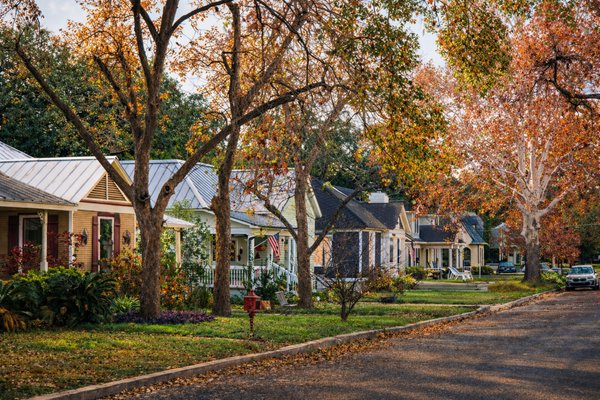
The Craftsman style emerged in the early 20th century as part of the broader Arts and Crafts movement, a response to industrialization that emphasized handcrafted quality, honest materials, and thoughtful design. In Texas, Craftsman homes took on a regional character—adapted to climate, available materials, and the practical needs of everyday life—resulting in architecture that feels both refined and deeply livable.
Built for Everyday Life:
Origins of the Craftsman Home
Originally built for working families, Craftsman homes prioritized functionality and durability while celebrating the artistry of construction itself. Structure was not hidden but expressed, allowing beams, brackets, and joinery to become defining architectural elements. This approach created homes that feel grounded, human-scaled, and enduring—qualities that continue to resonate today.
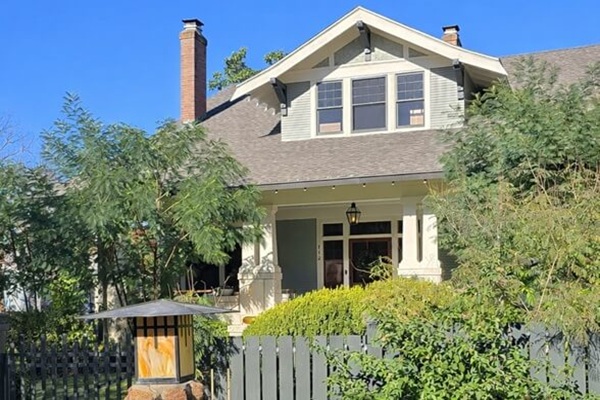
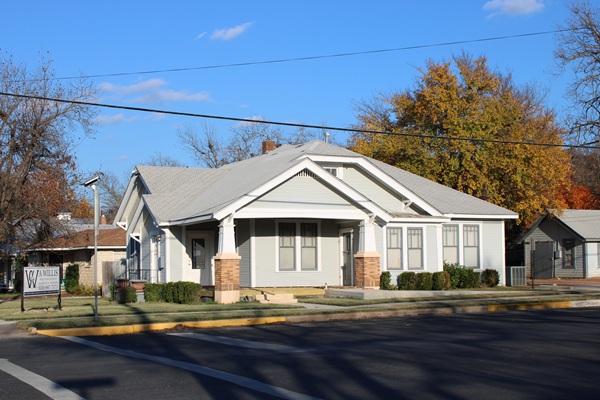
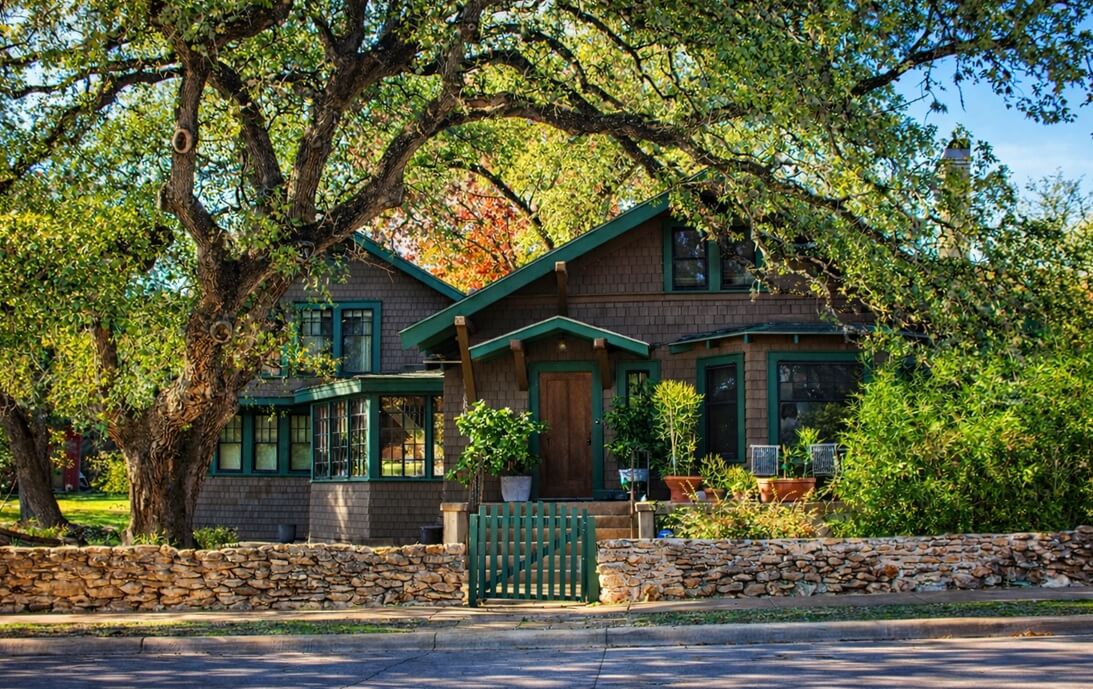
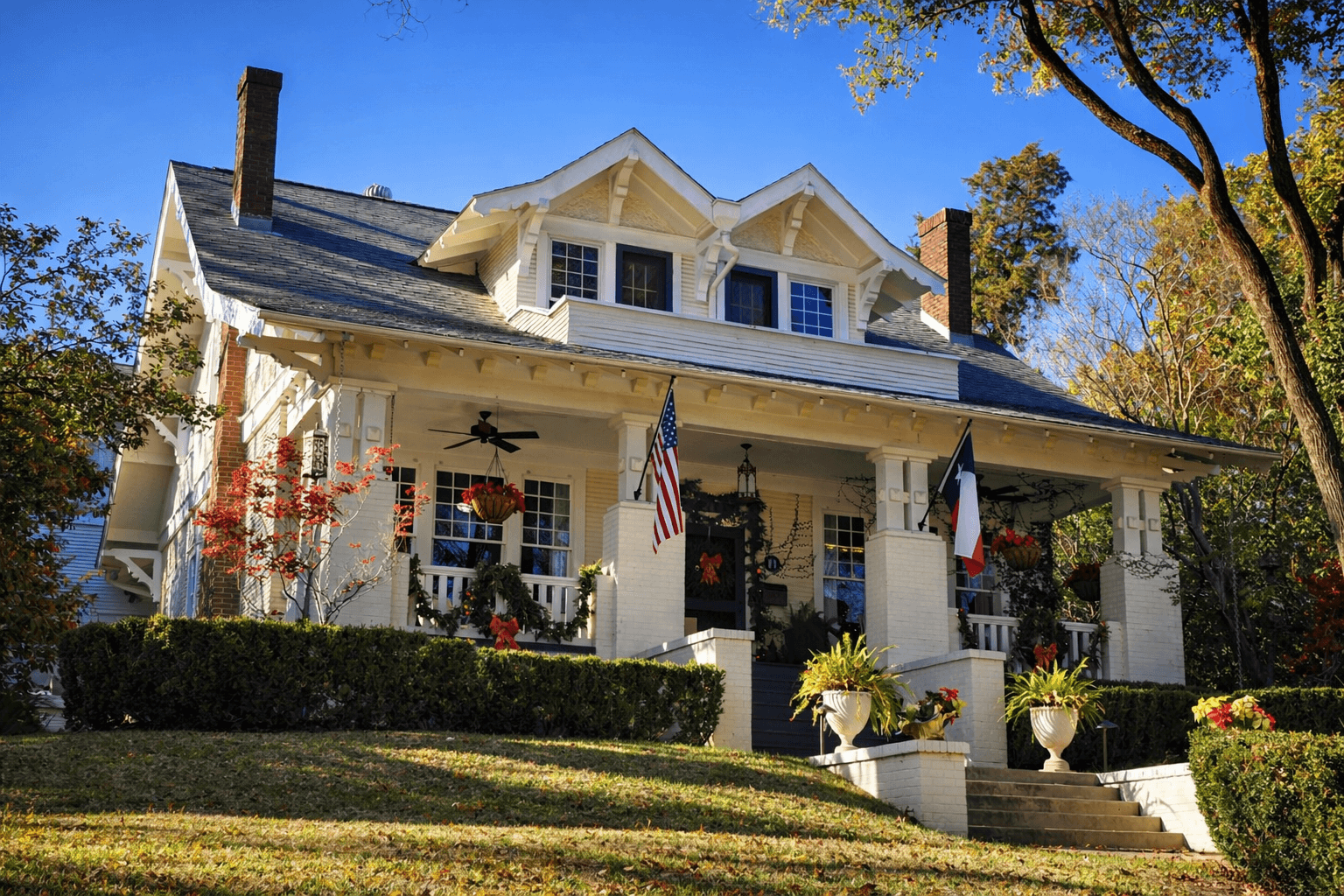
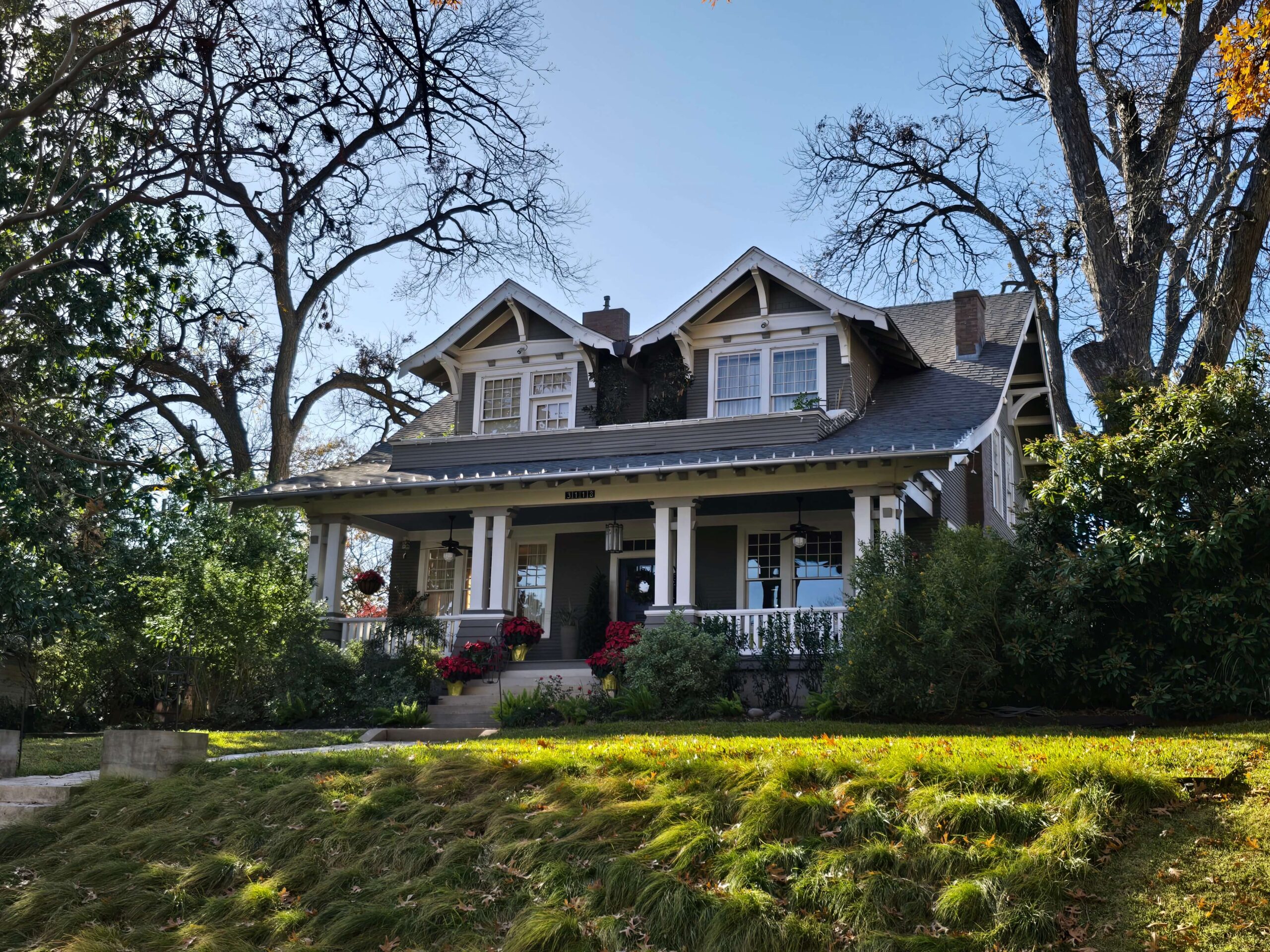
Traditional Craftsman layouts were typically one to one-and-a-half stories, organized around clear, efficient floor plans with strong connections between living spaces. Low-pitched gabled or cross-gabled roofs with wide overhangs are a hallmark of the style, often featuring exposed rafter tails or decorative knee braces. Exteriors commonly incorporated natural materials such as wood siding, shingles, brick, or stone, selected for both beauty and longevity.
Deep, welcoming front porches are central to Craftsman design, reinforcing a strong connection between interior spaces and the outdoors. These porches are typically supported by substantial tapered columns or piers—often resting on stone or masonry bases—providing a sense of weight and permanence. Windows are usually double-hung or casement style, frequently grouped to enhance natural light and ventilation while maintaining balanced proportions.
Materials, Detail, and Craftsmanship
Interior spaces emphasize warmth and craftsmanship through the use of stained or painted wood trim, built-in cabinetry, window seats, and detailed millwork. Materials such as wood paneling, shiplap, or beadboard are often used selectively to add texture and character without excess. Color palettes favor earth tones, warm neutrals, soft greens, and muted blues, creating interiors that feel calm, cohesive, and timeless.
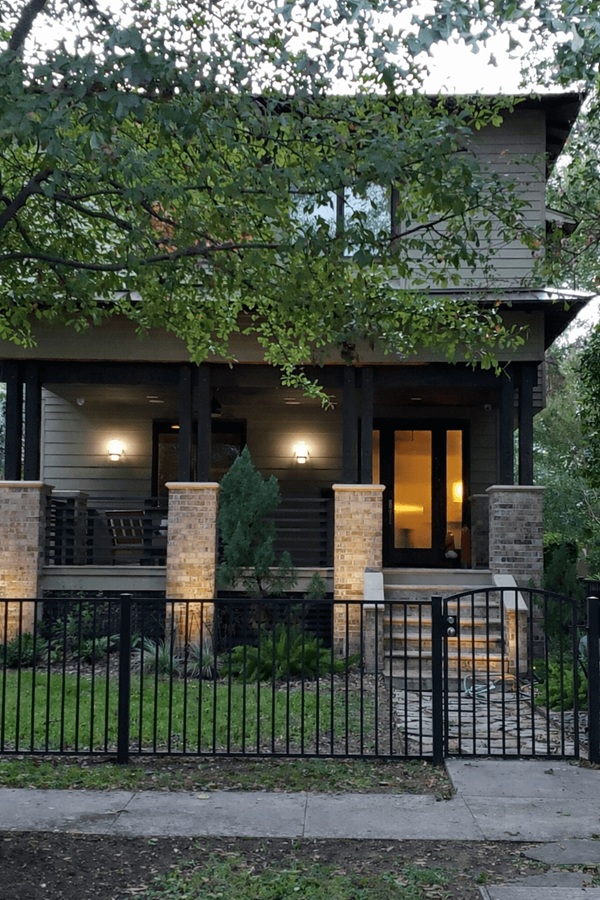
In modern interpretations, Craftsman homes continue to honor these foundational principles while incorporating contemporary materials and building techniques. Durable exterior products, improved energy performance, and refined detailing allow the style to evolve without losing its identity. When thoughtfully designed, a Craftsman home balances simplicity and sophistication, offering a sense of permanence, comfort, and quiet artistry.
At MT Mann & Co., we design and build Craftsman homes that respect the integrity of the style while tailoring each project to its setting and owner. By combining traditional craftsmanship with modern livability, we create homes that feel authentic, intentional, and built to last—rooted in history yet suited for life today.